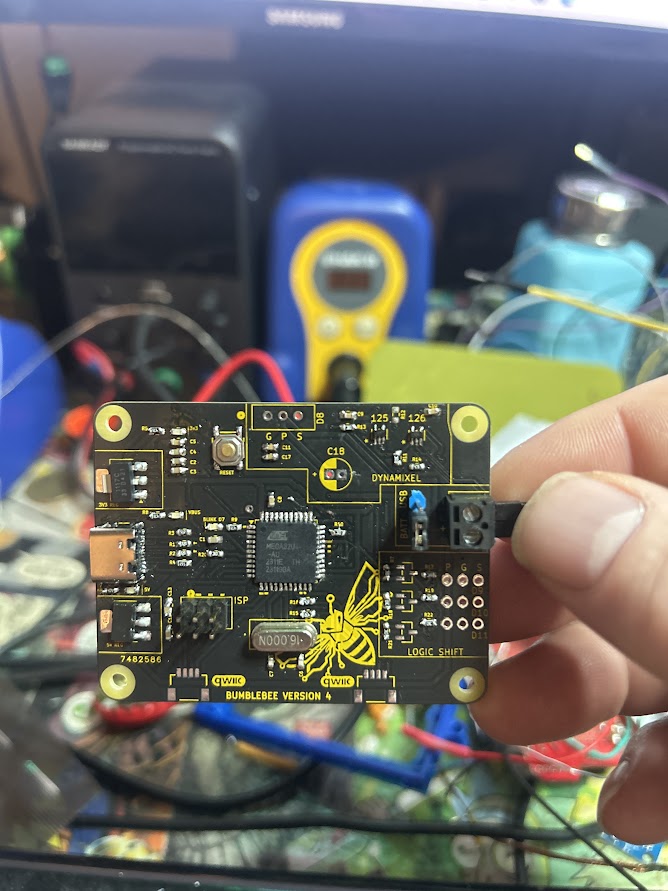
Bumblebee Controller
A custom embedded controller board developed for intelligent servo systems, communications, expansion hardware and real bench testing.
 THE AMERICANPROTOTYPE
BACK THE BUILD
THE AMERICANPROTOTYPE
BACK THE BUILD
AMERICAN HARDWARE // PROJECT 0001 // COLORADO
Help build an independent electronics, prototyping, and small-scale manufacturing lab where ideas become boards, machines, tools, and working hardware.
First milestone: 2,400 founding backers. $20 minimum. Ongoing support remains open beyond the founding run.
THE PERSON BEHIND THE BENCH // COLORADO SPRINGS
I BUILD THE PART THAT MAKES THE OTHER PARTS WORK.
I’m Gareth Erwin, a systems builder with more than 18 years across telecommunications, facilities, field operations, infrastructure, networking and technical delivery.
My work lives where software, hardware, deployment and real-world operations collide. I’m hands-on with Linux, Node.js, ESP32, LoRa, PCB design, CAD, 3D printing, automation and the practical troubleshooting required to make systems actually work outside a demo.
The American Prototype is the next step: take that experience, the projects I already build and the equipment I already use — and turn it into a serious independent prototyping lab.
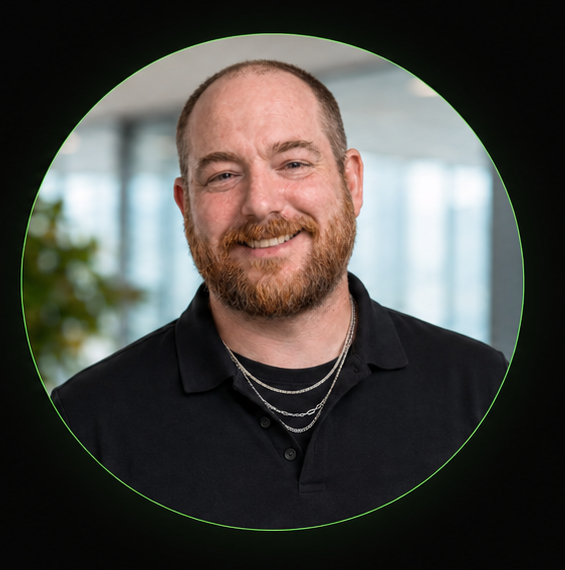
THE MAKER // ALREADY BUILDING
I started by building. Custom controller boards, ESP32 devices, LoRa and tracking systems, servo electronics, vehicle electronics, PCB layouts, 3D models, fabricated parts and experimental hardware.
Some projects worked. Some did not. Then I figured out why and built the next version. That is the work.
The American Prototype is not about becoming a maker. It is about giving a maker better tools, better equipment and room to keep building.
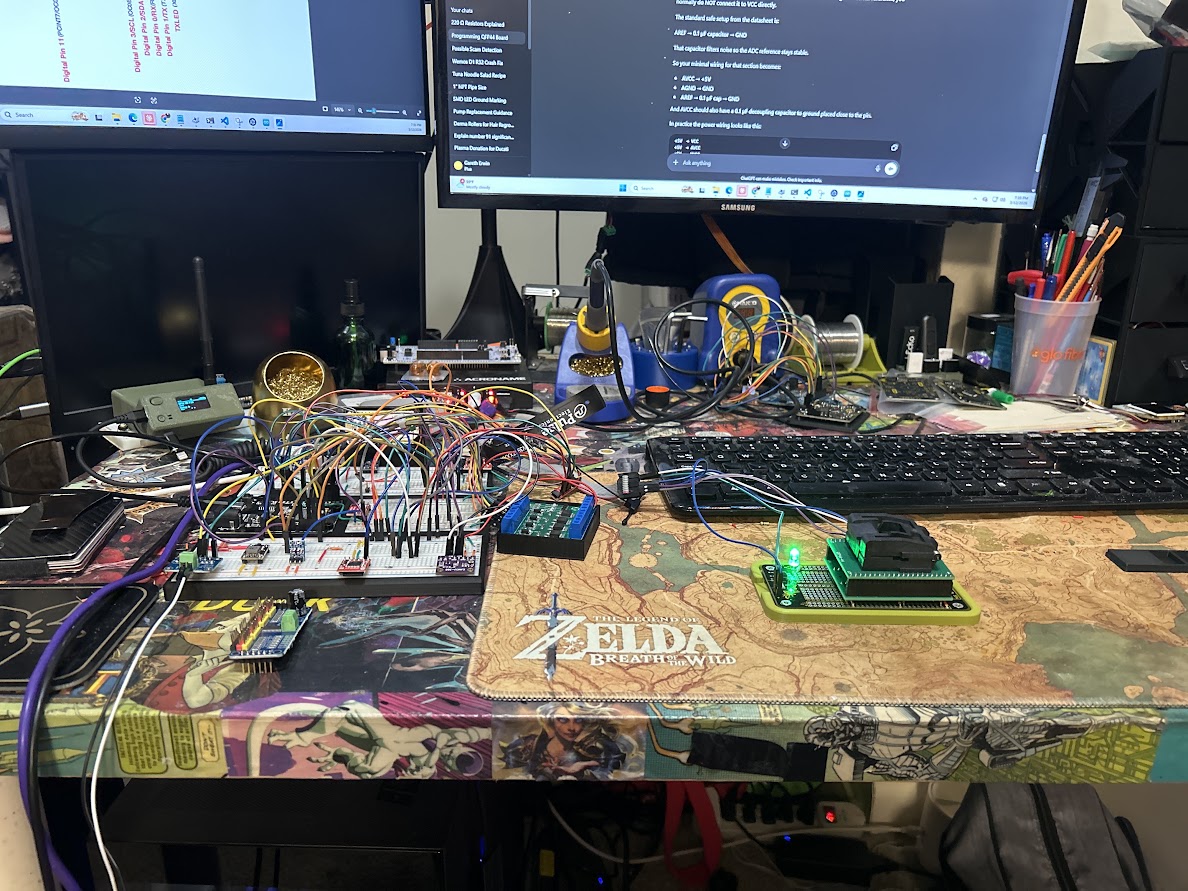
REAL WORK // REAL HARDWARE // REAL PHOTOS
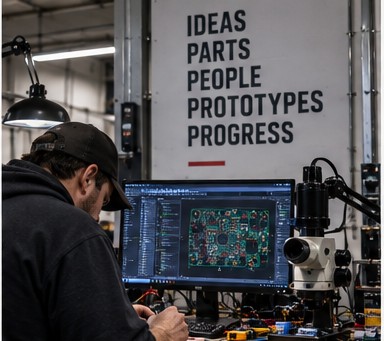
These are not stock images. They are boards, CAD work, prototypes, test rigs and fabricated parts from my bench. The lab is the next step — not the first step.
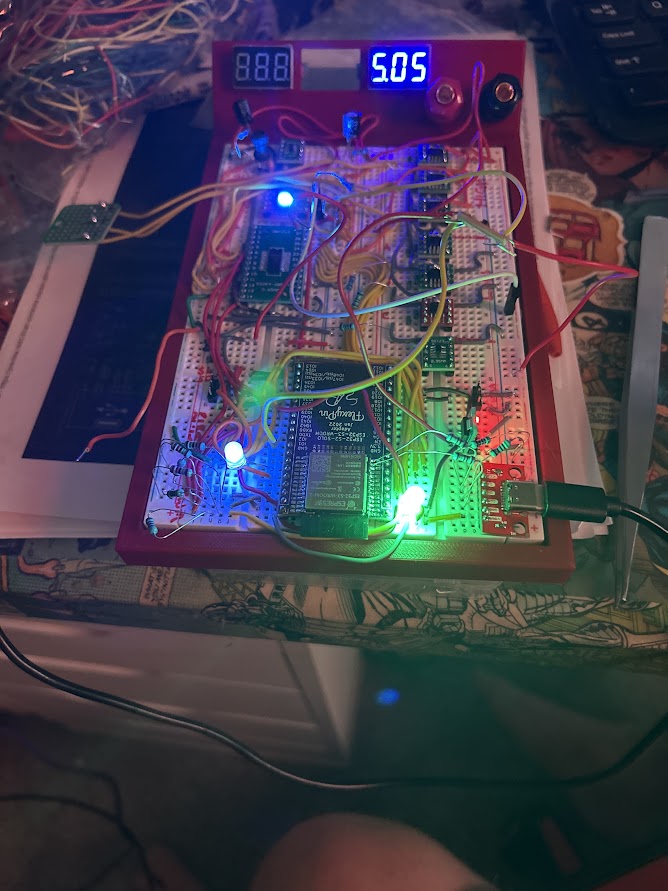
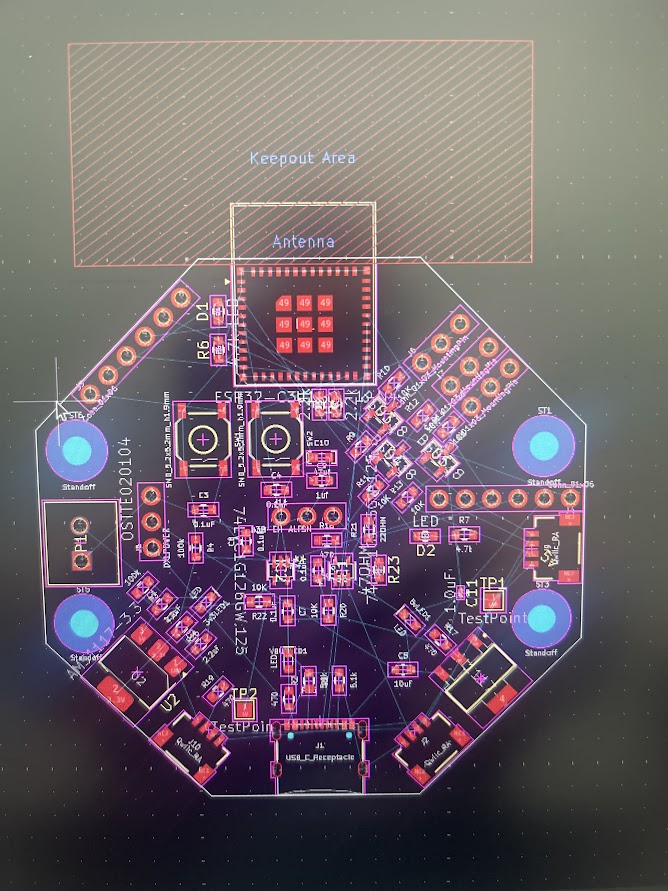
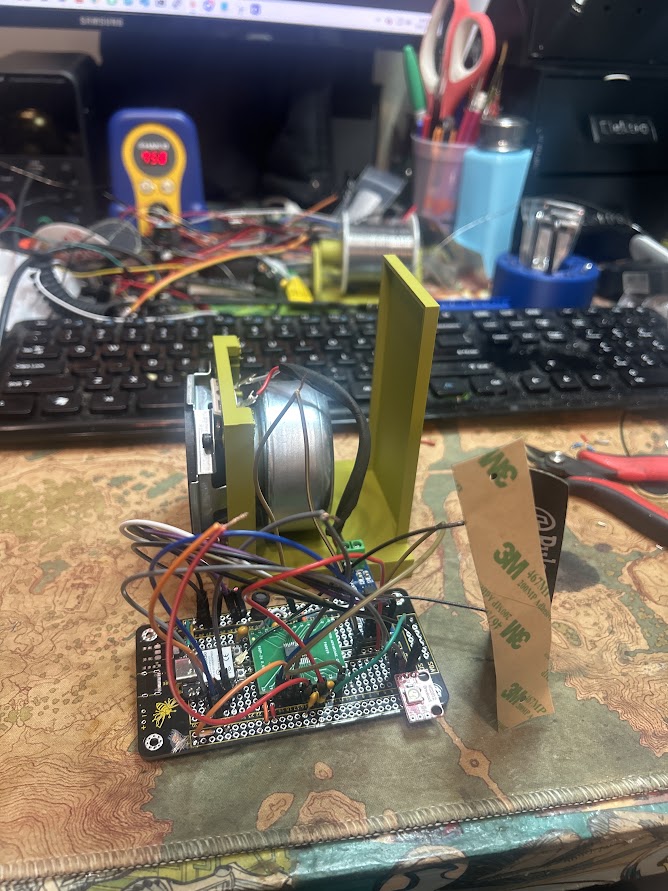
A custom embedded controller board developed for intelligent servo systems, communications, expansion hardware and real bench testing.
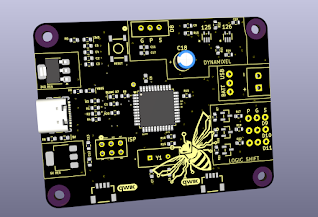
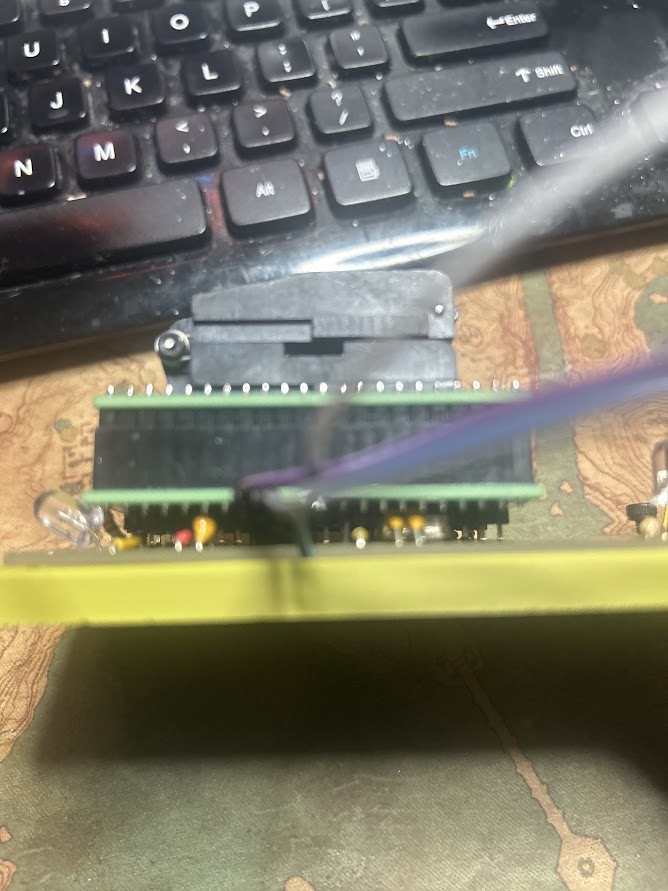
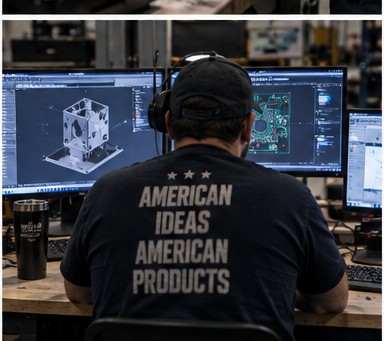
The board does not start in somebody else's catalog. It starts in design, goes through layout and revisions, then becomes physical hardware.
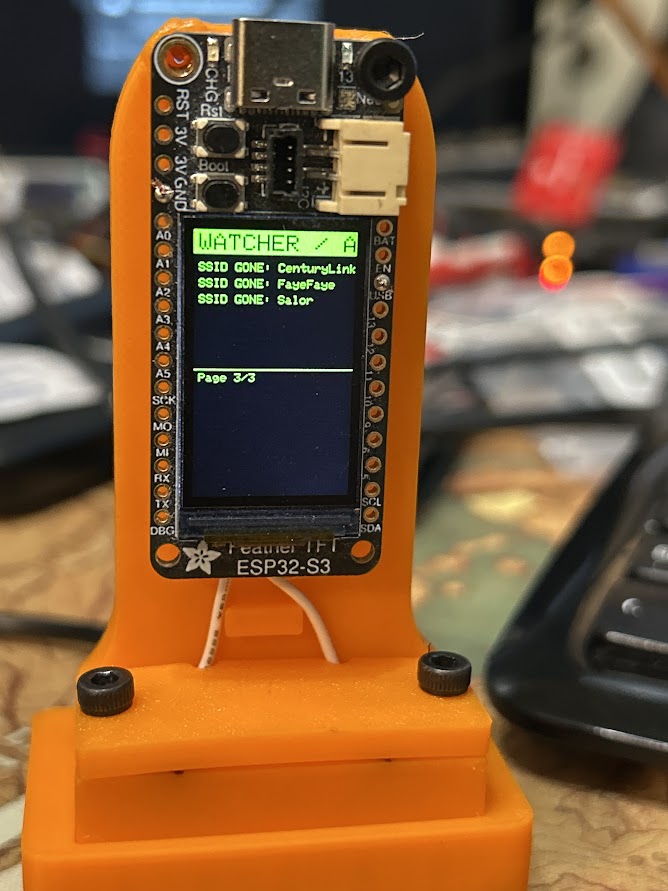
Purpose-built embedded devices for diagnostics, monitoring, communications, sensors and field applications.
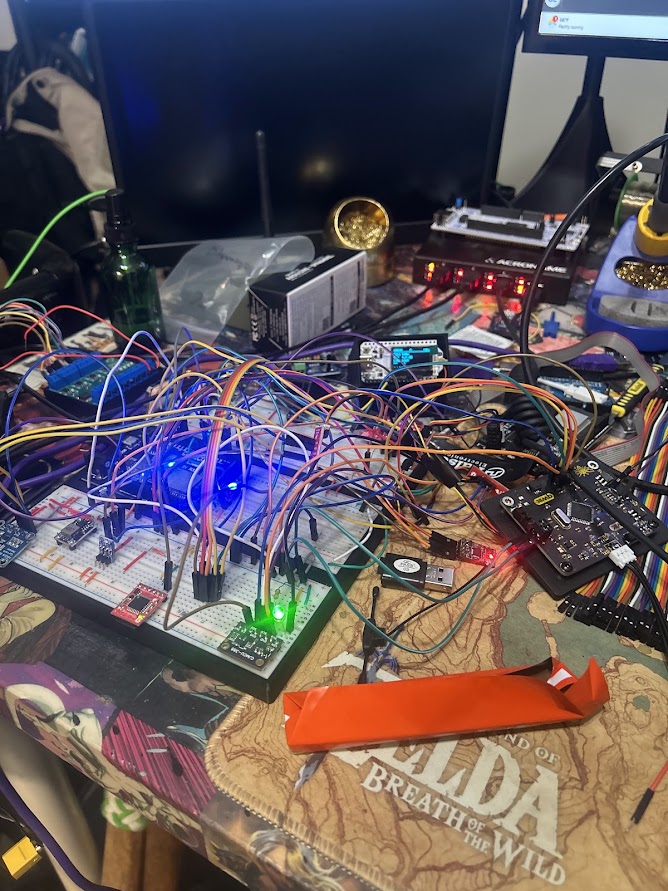
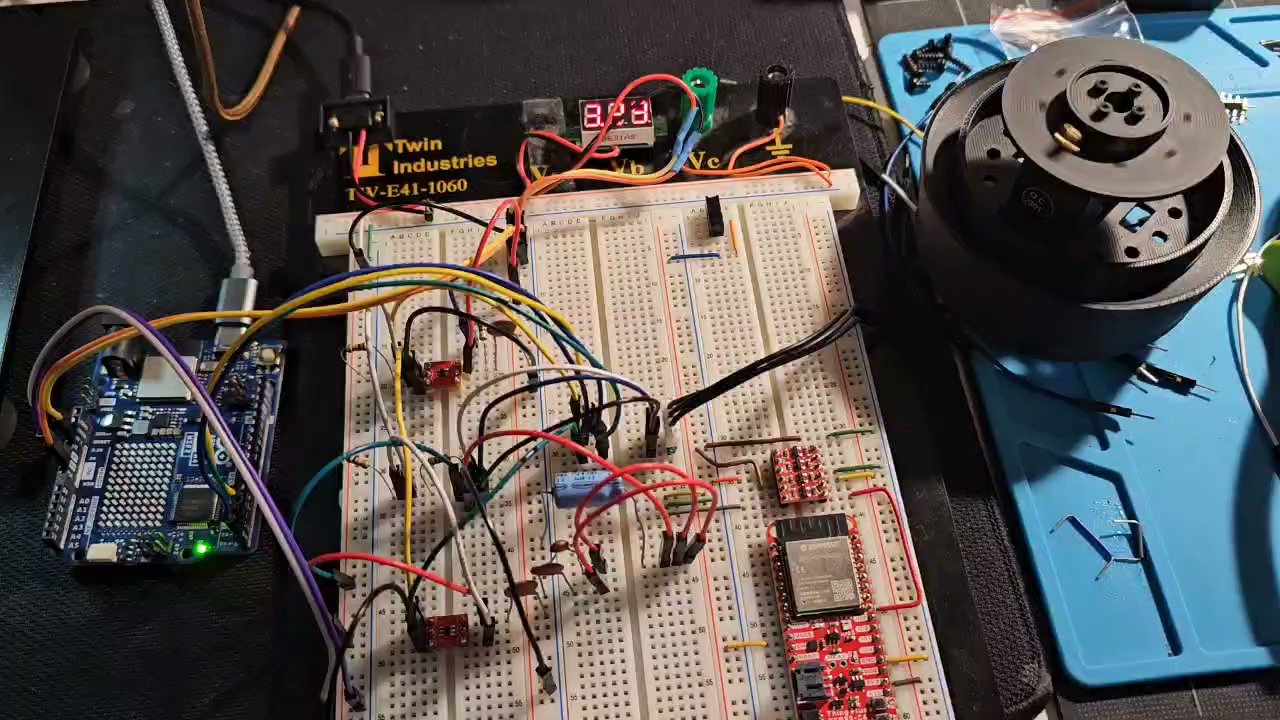
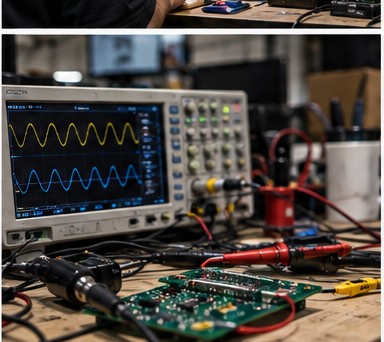
Before a design becomes a finished board, it gets wired, measured, broken, debugged and revised. The wire jungle is not the failure state. It is part of getting to the answer.
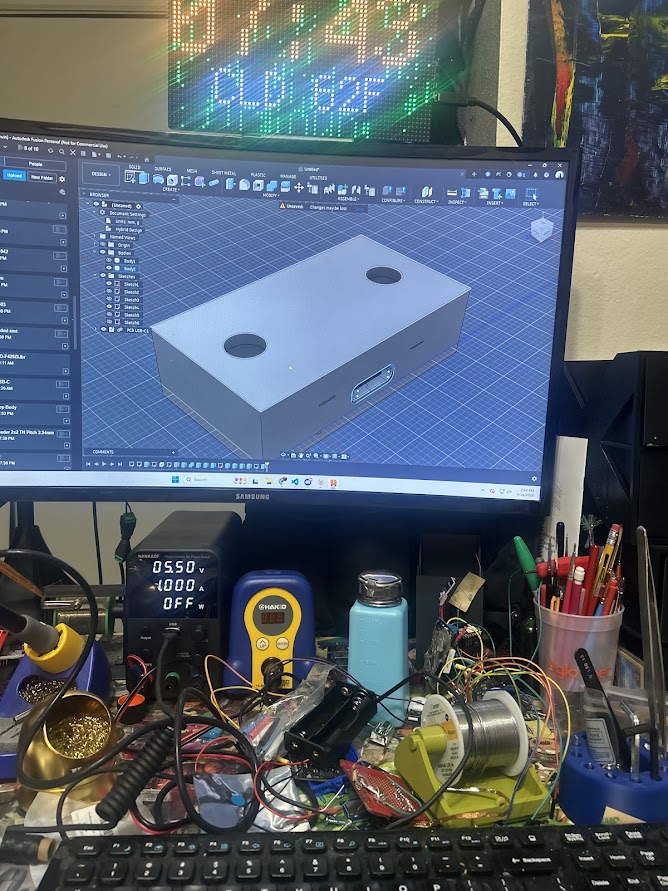
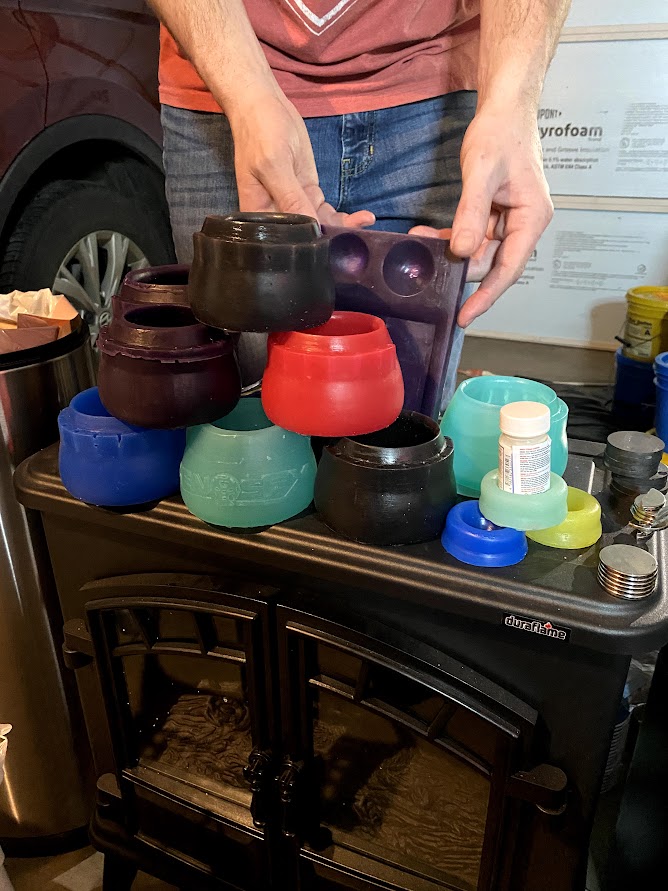
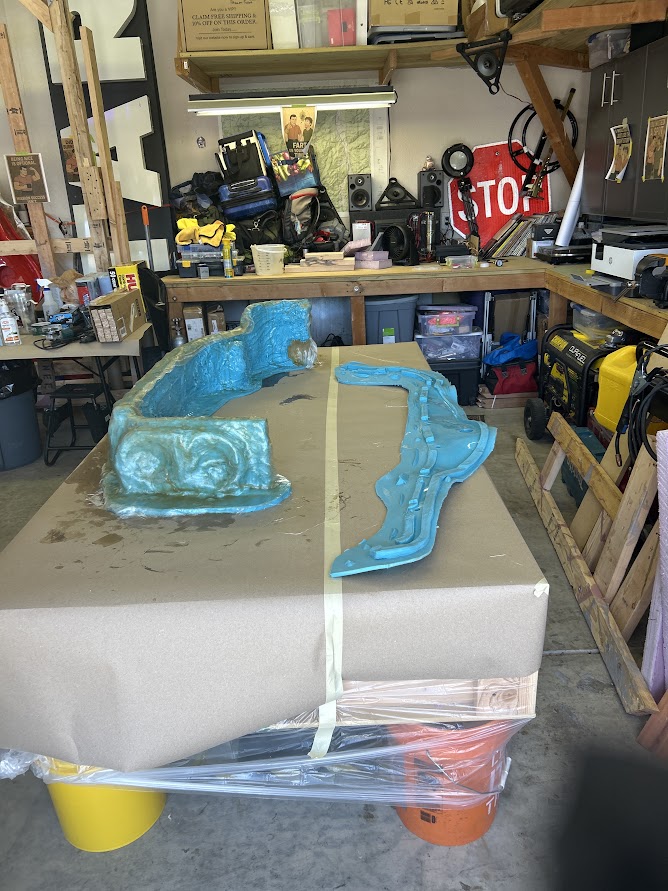
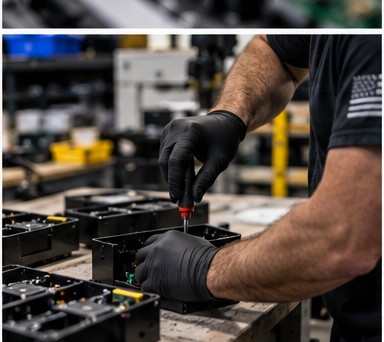
Electronics have to become usable hardware. That means enclosures, mounts, fixtures, mechanical parts and physical iteration around the circuit.
Controllers, sensors, power systems and interfaces tested together before the next board revision.
THE BENCH DOESN'T LIE
 BUILD IT.
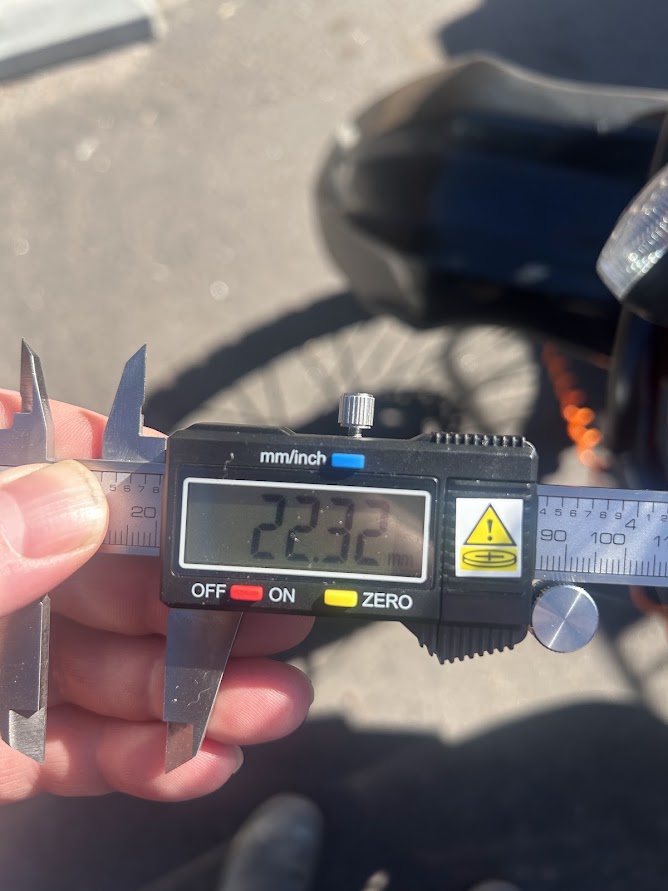 MEASURE IT.
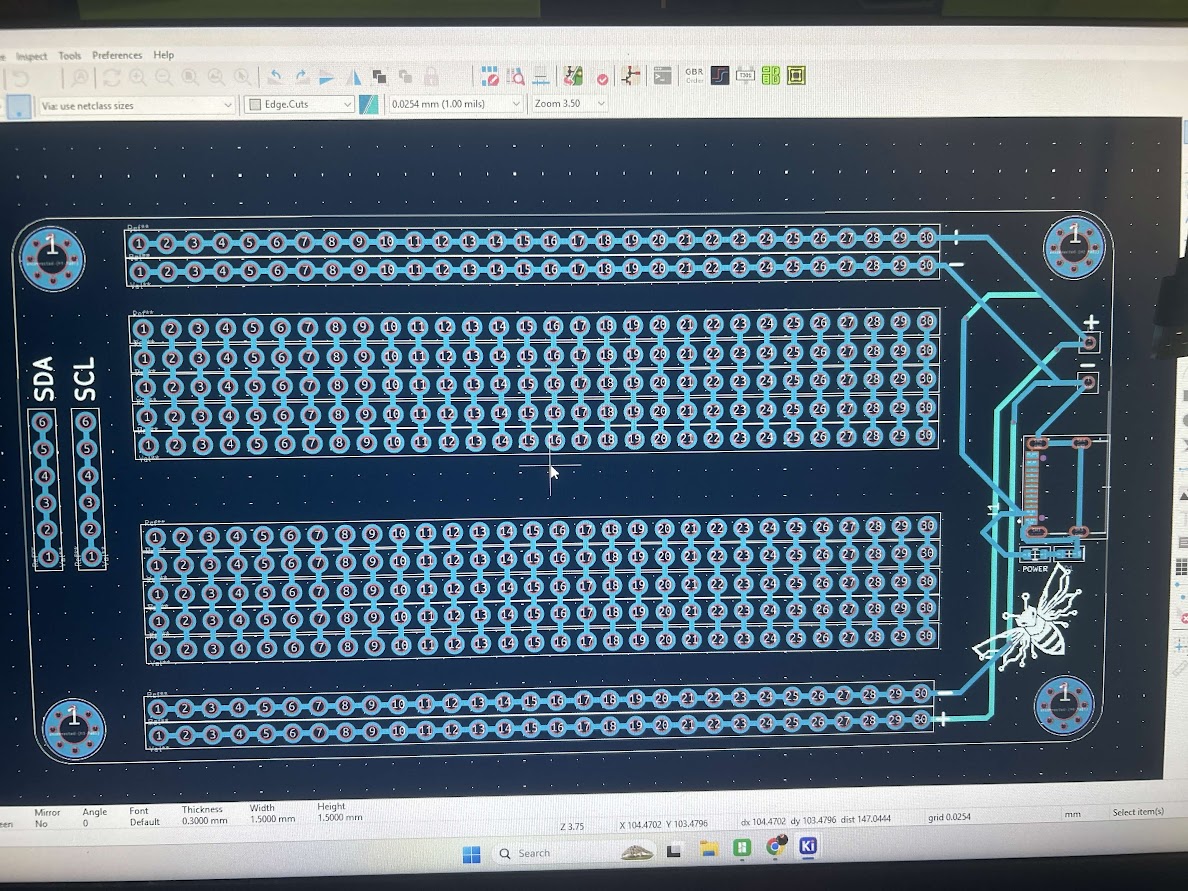 DESIGN IT.
 BUILD THE NEXT ONE.
BUILD ARCHIVE // MORE PROOF, LESS POLISH
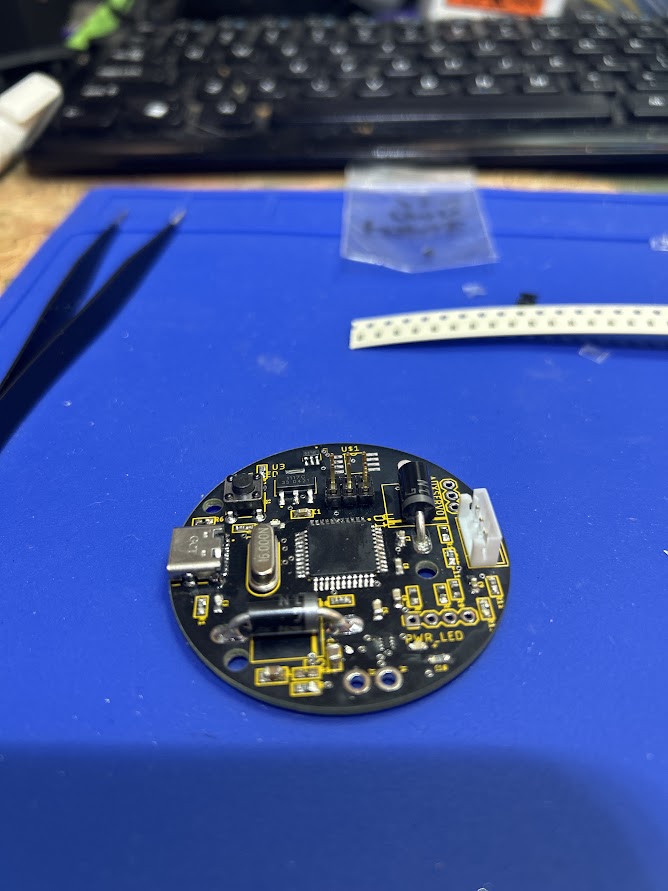
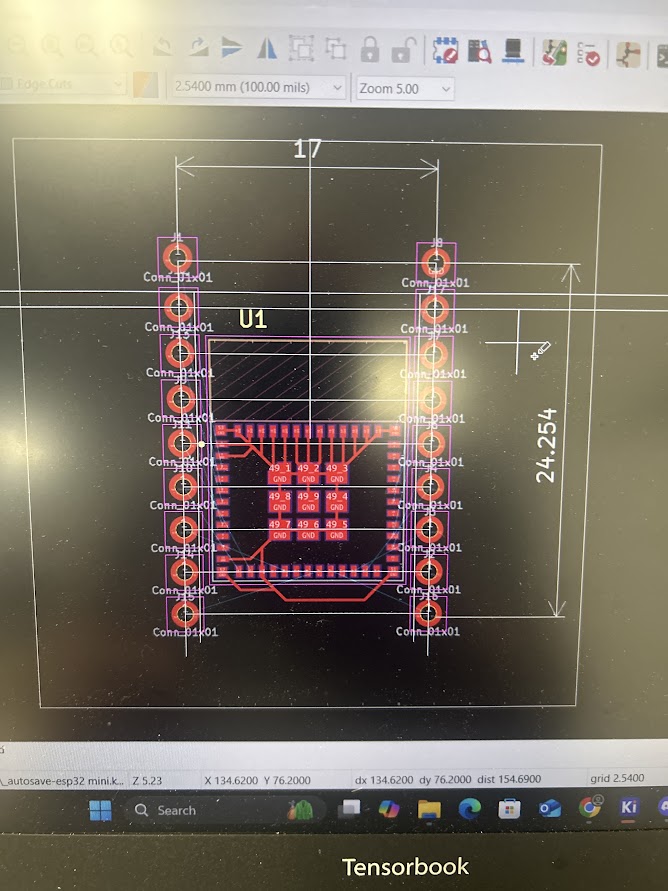
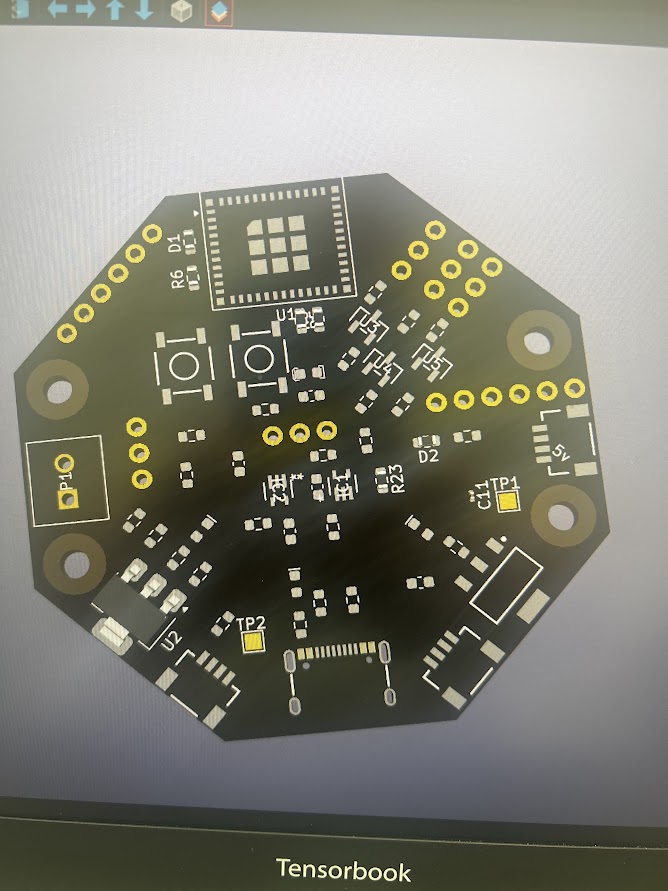
I started The American Prototype for one reason: turn practical ideas into physical hardware. Not another slide deck. Not another app pretending to be a factory. Real electronics, real tools, real prototypes, real failures, and real machines on a bench.
The 2400 Project is the first push. I’m looking for 2,400 founding backers willing to put at least $20 behind the creation of an independent hardware lab. The money goes into capability: test equipment, components, fabrication tools, prototype runs, enclosures, materials, and the infrastructure needed to build.
The American Prototype is being built to take ideas all the way from electronics and firmware to physical prototypes, testing, fabrication, and small production runs.
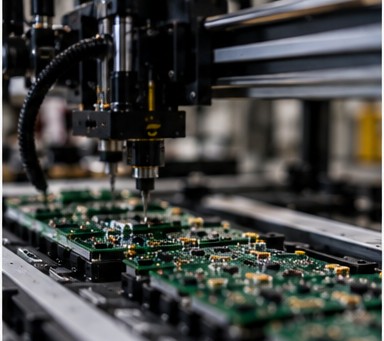
Embedded controllers, PCB development, soldering and rework, sensors, power electronics, motor control, test equipment, firmware bring-up, and board revisions.
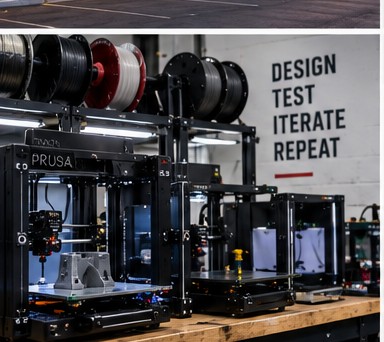
3D printing, laser work, enclosures, mounts, fixtures, mechanical assemblies, CAD, rapid revisions, and the tooling needed to turn concepts into physical hardware.
Motors, ESCs, servos, telemetry, wireless control, embedded displays, machine interfaces, RC systems, sensors, and custom control electronics.
Moving successful prototypes toward repeatable assembly, testing, quality control, documentation, packaging, and limited production runs.
Electronics. Firmware. Fabrication. Testing. Revision. Assembly. The lab exists to bring those steps together in one place and keep building until the hardware works.
WHY “THE AMERICAN PROTOTYPE”?
A lot of good hardware ideas never get past the idea stage because prototyping, fabrication and technical development are expensive, fragmented or immediately outsourced.
The goal is to keep more design, prototyping, testing, fabrication and problem-solving here — close to the people doing the work.
“American” is not a claim that every component comes from the United States. It is the mission to grow more hands-on engineering capability, experimentation and making here.
Every dollar above the $20 minimum increases what the lab can buy, build, test, and finish. The baseline is simple enough to audit and concrete enough to understand.
The American Prototype did not begin with a fundraising page. It grew out of years of designing, repairing, programming, fabricating, testing, breaking, and rebuilding real systems.
Over the last three years we have worked across electronics, embedded systems, robotics, fabrication, networking, software, automation, vehicle systems, wireless communications, and prototype manufacturing.
The goal of this lab is simple: put those skills and capabilities under one roof so an idea can move from a sketch to working hardware without getting stuck at the "someday" stage.
ESP32, Arduino, Raspberry Pi, microcontrollers, sensors, GPIO, I2C, SPI, UART, real-time control, state machines, displays, and purpose-built embedded hardware.
Circuit development, custom board concepts, component selection, power regulation, motor control, connectors, board layout, prototype fabrication, soldering, debugging, and revision work.
Servo control, ESCs, motor controllers, RC systems, flight-control concepts, tracked vehicles, robotic mechanisms, telemetry, and compact integrated control hardware.
Wi-Fi, Bluetooth, LoRa, Meshtastic, ELRS, MQTT, wireless sensor systems, remote telemetry, device status, command systems, and field communications.
Environmental sensing, electromagnetic sensing, motion detection, telemetry sensors, monitoring systems, signal experiments, and custom data-acquisition projects.
Custom dashboards, ESP32 touch displays, telemetry, GPS, audio integration, sensors, vehicle interfaces, digital gauges, and experimental command-console systems.
CAD, 3D printing, printed enclosures, mounts, fixtures, laser cutting, rapid physical prototyping, mechanical integration, and small-run fabricated parts.
Arduino C/C++, Python, web applications, APIs, Linux, Node.js, databases, Nginx, production servers, device dashboards, payment systems, and deployment.
Routing, switching, structured cabling, wireless systems, VoIP, cameras, access control, VPNs, VLANs, monitoring, troubleshooting, and critical-system support.
Flight-control concepts, ESC development, motor drivers, servo control, telemetry, sensors, and integrated embedded control.
Compact bidirectional high-current ESC concepts for underwater propulsion, including embedded control, power electronics, sealing considerations, and prototype PCB development.
A low-power LoRa and Meshtastic field-monitoring system using ESP32 hardware, fence sensors, motion detection, solar power, event logic, firmware, and remote status.
Touch-screen ESP32 vehicle displays combining telemetry, GPS, audio, wireless communications, custom graphics, gauges, sensors, and control interfaces.
Servo-driven mechanisms, animated builds, robotic heads, motor control, custom electronics, wireless control, sensors, and experimental machines.
Development of a machine for shredding, drying, extruding, cooling, measuring, and spooling recycled PLA, with embedded controls, heaters, motors, sensors, and quality-control systems.
IoT devices, MQTT telemetry, wireless sensor rigs, LoRa nodes, mesh communications, dashboards, remote monitoring, and hardware-to-cloud systems.
3D-printed parts, enclosures, fixtures, laser-cut pieces, electronics integration, repair work, prototype assembly, testing, documentation, and repeatable-build workflows.
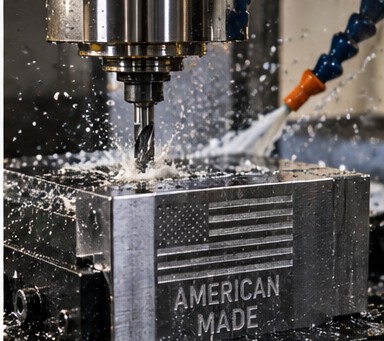
The American Prototype is about building the capability to do this properly: electronics benches, test equipment, fabrication tools, prototype materials, PCB runs, machining capability, assembly space, and the ability to keep iterating until the hardware works.
AMERICAN IDEAS SHOULD HAVE SOMEWHERE TO BECOME AMERICAN HARDWARE.The American Prototype is being built around real hardware projects. One of the first is VOID RIP — a family of compact control boards designed to reduce wiring, simplify builds, and put more control into a single piece of hardware.
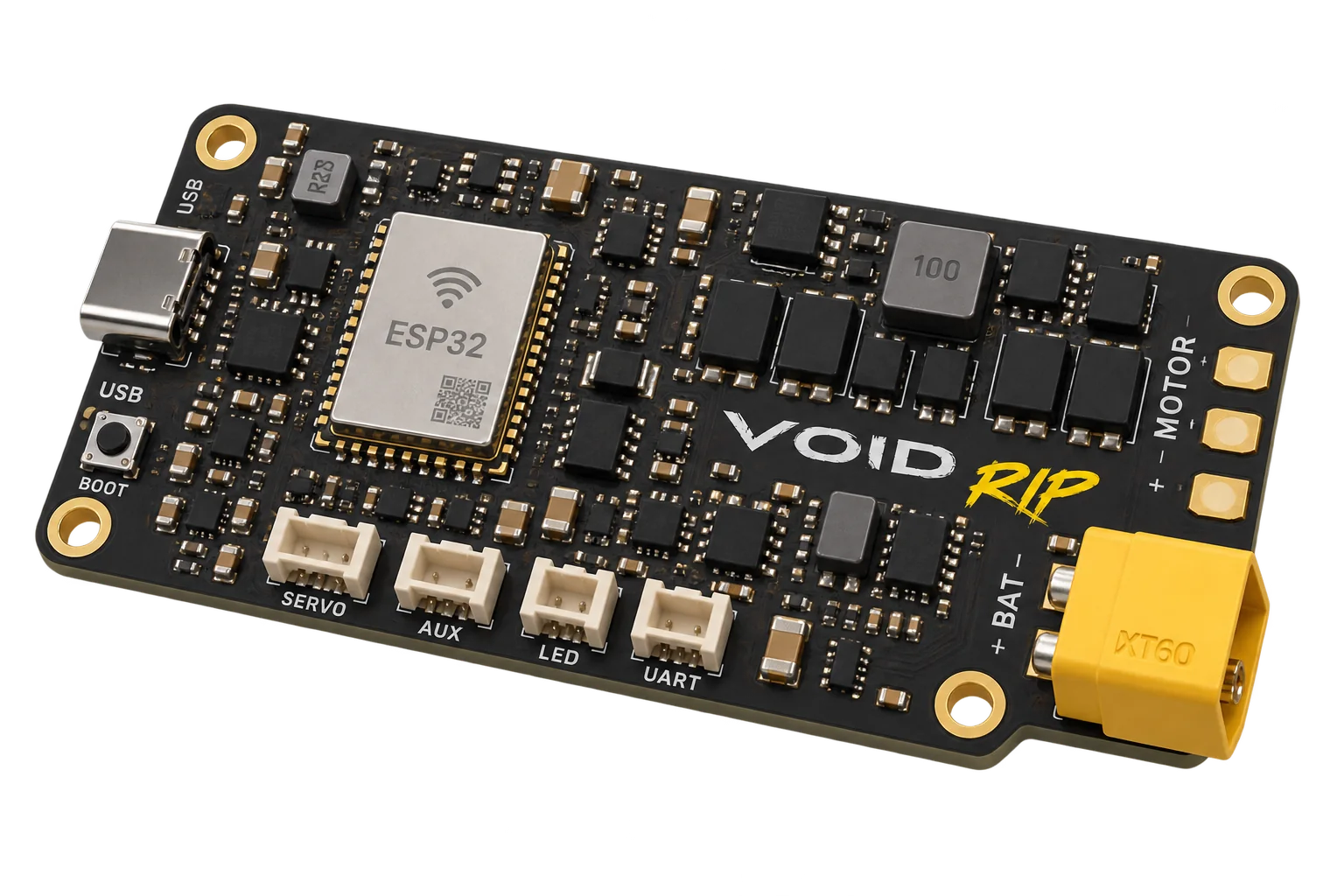
An all-in-one RC control-board concept combining an ESP32, ELRS connectivity, motor control, servo control, and auxiliary connections into one compact electronics package.
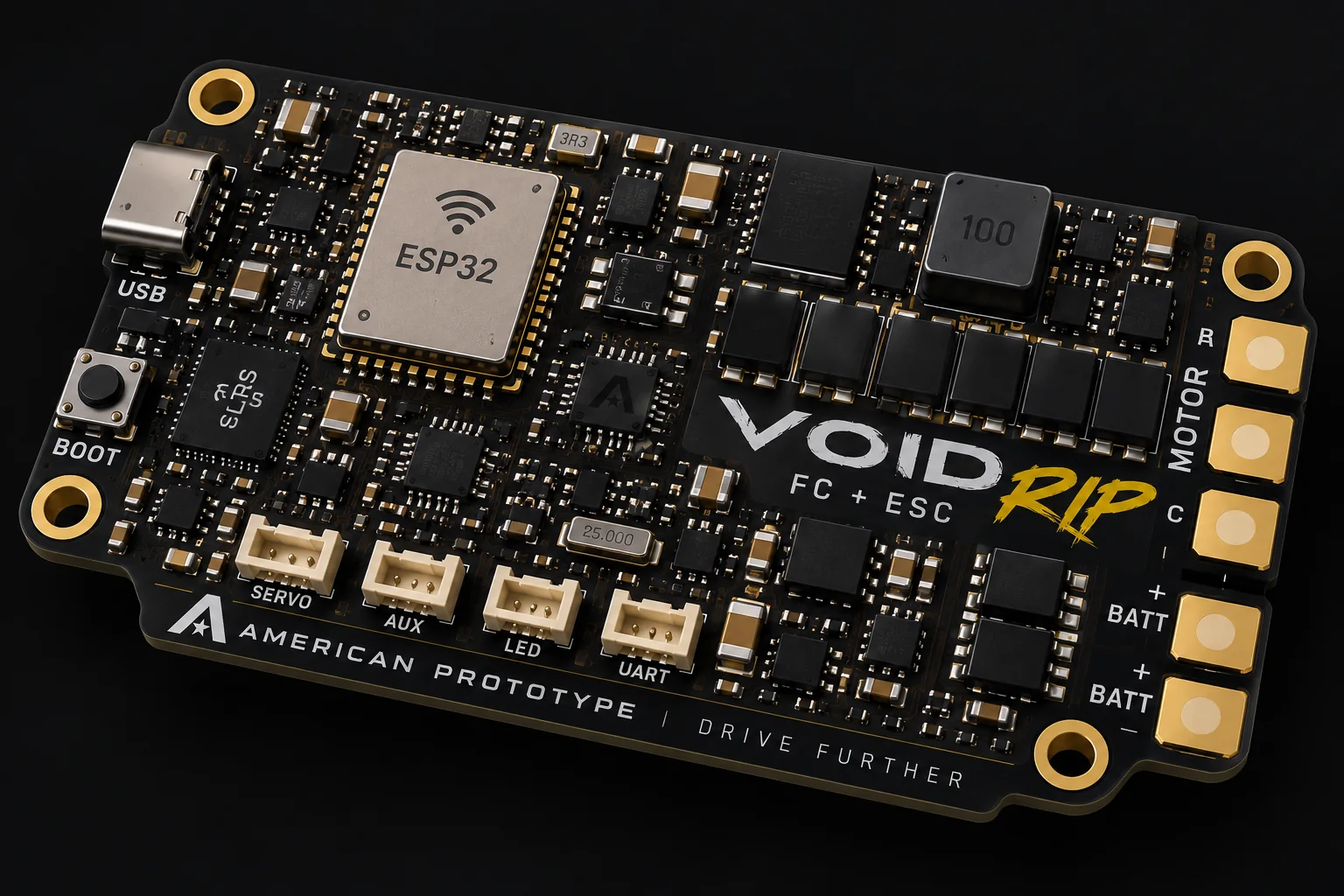
The Void Rip platform is expanding into additional controller hardware, including integrated flight-control and ESC concepts built around the same philosophy: smaller, cleaner, and easier to work with.
Prototype PCB runs, components, assembly, test equipment, thermal and load testing, failed revisions, firmware development, and the next hardware revision all cost real money.
Your support helps move these boards from development concepts toward tested, working hardware.
Project support funds development of The American Prototype. It is not a product preorder, stock, equity, debt, profit sharing, or a promised financial return.
Choose your level of support. Every backer helps put real tools, parts, and equipment into the lab. One person receives one founding position regardless of contribution level.
CHOOSE YOUR BACKING LEVEL
Secure checkout powered by Stripe.
Twenty dollars is deliberately ordinary. Spread across 2,400 people, it becomes enough capital to establish meaningful hardware capability. Some will put in $20. Some will put in more. Every one of the original 2,400 will be recorded as part of the first build.
No. A founding-backer contribution does not provide equity, debt, profit sharing, repayment rights, or ownership of company intellectual property.
Yes. $20 is the intended minimum. Larger contributions increase the amount available for equipment, materials, prototypes and lab development, while still occupying one founding position.
After verified payment, the production version will assign a unique founder number, issue the founding certificate, record Founders Wall preferences, and add the backer to project updates.
No. The campaign supports development of the lab and its project pipeline. Individual products may later have their own launches, preorders, or sales terms.
THE AMERICAN PROTOTYPE // FOUNDING RUN 01